
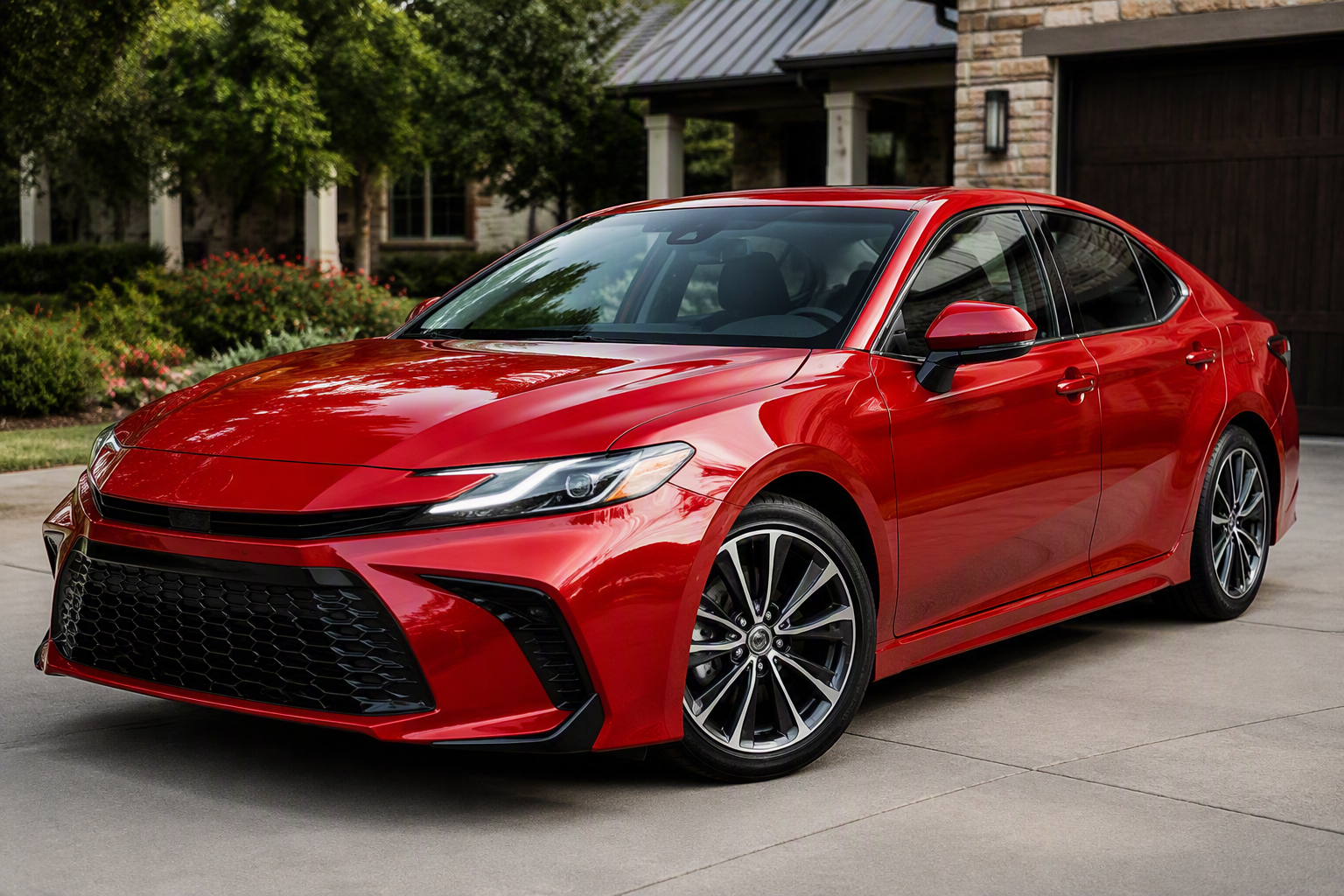
Does a Red Car Really Cost More to Insure?
One of the most common insurance myths is that red cars cost more to insure. If you’re shopping for auto insurance in North Carolina and considering a bright red vehicle, you may be wondering whether your color choice will increase your premium. The good news is that the color of your car typically has no impact on your auto insurance rates.
Insurance companies use a variety of factors to calculate premiums, but vehicle color is generally not one of them. Instead, insurers focus on factors that help predict the likelihood of accidents, claims, theft, and repair costs. Understanding what actually affects your insurance rates can help you make smarter decisions when purchasing a vehicle and shopping for car insurance coverage.
Do Insurance Companies Care About Vehicle Color?
The simple answer is no. Auto insurance companies do not typically ask about the color of your vehicle during the quote process. Whether your car is red, black, white, blue, silver, or any other color, the paint color alone does not determine your insurance premium.
Insurance carriers rely on objective data and statistics when setting rates. Factors such as accident history, vehicle safety ratings, repair expenses, theft rates, driver age, driving record, location, and annual mileage provide valuable insight into risk. Vehicle color does not provide meaningful information about the likelihood of a claim.
Why Do People Think Red Cars Cost More to Insure?
The myth likely stems from the perception that drivers of red sports cars tend to drive faster or attract more attention from law enforcement. While this belief has existed for decades, there is little evidence to support the idea that red vehicles receive more speeding tickets or generate more insurance claims simply because of their color.
In reality, insurance companies evaluate the type of vehicle rather than the paint color. A high-performance sports car may cost more to insure because it can be driven at higher speeds, is more expensive to repair, and may experience a higher frequency of claims. If that sports car happens to be red, the increased premium comes from the vehicle itself—not the color.
What Factors Actually Affect Car Insurance Rates in North Carolina?
If you’re looking for affordable car insurance in North Carolina, it’s important to understand the factors that insurers actually use when calculating premiums:
Driving Record
Drivers with speeding tickets, accidents, or previous insurance claims often pay higher premiums. Maintaining a clean driving record is one of the best ways to lower your insurance costs.
Age and Driving Experience
Younger and less experienced drivers generally face higher rates because statistical data shows they are more likely to be involved in accidents.
Vehicle Make and Model
The year, make, model, and trim level of your vehicle have a significant impact on rates. Luxury vehicles, sports cars, and vehicles with expensive parts often cost more to insure.
Location
Where you live in North Carolina can affect your premiums. Drivers in areas with higher traffic density, theft rates, or accident frequency may pay more than drivers in rural communities.
Coverage Selections
The amount of liability coverage, collision coverage, comprehensive coverage, and your chosen deductible directly influence your insurance costs.
Credit-Based Insurance Factors
In many situations, insurance companies may use approved rating factors that help assess overall risk and claim potential, where permitted by law.
Can a Vehicle’s Color Affect Its Value?
While a car’s color does not directly affect insurance premiums, it can sometimes impact resale value. Certain colors may be more popular in the used car market, which can influence how much a vehicle is worth over time.
However, even when vehicle value affects insurance costs, the premium adjustment is tied to the value of the vehicle itself rather than the color. For example, a vehicle with a higher market value may cost more to repair or replace after a covered loss.
What Vehicle Characteristics Increase Insurance Costs?
If you’re trying to keep your premiums affordable, focus less on color and more on the characteristics insurers actually evaluate. Vehicles that often result in higher insurance rates include:
- Sports cars with high horsepower
- Luxury vehicles with expensive parts
- Models with high theft rates
- Vehicles with costly repair expenses
- Cars lacking modern safety features
Conversely, vehicles equipped with advanced safety technology, strong crash-test ratings, and affordable repair costs may qualify for lower premiums.
Ways to Save on Auto Insurance in North Carolina
Regardless of your vehicle’s color, there are several ways to save on North Carolina auto insurance:
- Maintain a clean driving record.
- Bundle auto and home insurance policies.
- Take advantage of available discounts.
- Choose a higher deductible if financially appropriate.
- Review coverage annually to ensure it matches your needs.
- Compare quotes from multiple insurance carriers.
Working with an independent insurance agency can help you evaluate several options and identify the coverage that offers the best balance between protection and affordability.
Get a North Carolina Auto Insurance Quote Today
If you’ve been avoiding a red vehicle because you thought it would increase your insurance bill, you can stop worrying. Insurance companies generally do not charge higher premiums based on vehicle color. Instead, they focus on factors like your driving history, the type of vehicle you own, where you live, and the coverage you select.
Whether you drive a red car, a white SUV, a silver sedan, or a blue pickup truck, having the right auto insurance coverage is what truly matters. If you’re looking for affordable car insurance in North Carolina, contact our agency today. Our experienced team can help you compare coverage options, answer your questions, and find a policy that protects you and your family at a competitive price.