
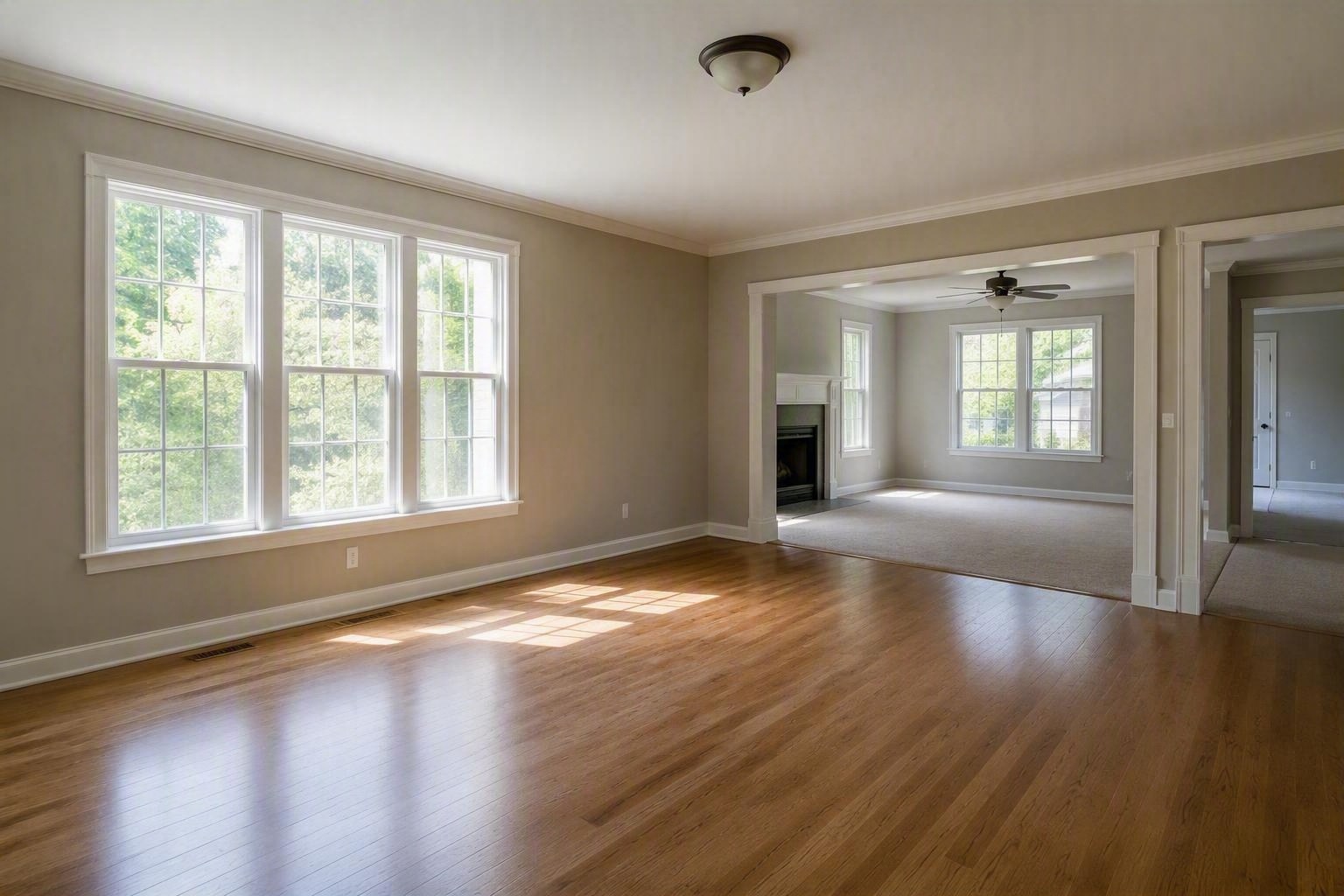
Does Homeowners Insurance Cover a Vacant House?
If you’re planning to leave your home unoccupied for an extended period, you may be wondering whether your homeowners insurance policy will continue to protect your property. This is an important question for North Carolina homeowners, especially those relocating, selling a home, managing an inherited property, or leaving a residence vacant during renovations.
The short answer is that standard homeowners insurance may provide limited coverage for a vacant house, but significant restrictions often apply. If your home remains vacant beyond a certain period, your insurance company could deny certain claims or require additional coverage. Understanding how insurance companies define a vacant home and what coverage options are available can help you avoid costly surprises.
What Is Considered a Vacant House for Insurance Purposes?
Insurance companies typically define a vacant house as a property that lacks both residents and personal belongings for a specified period of time. While definitions vary among insurance carriers, many consider a home vacant when it has been unoccupied for 30 to 60 consecutive days and contains little to no furniture or everyday items.
A home that is temporarily empty but still furnished may be classified as “unoccupied” rather than “vacant.” This distinction matters because insurance companies often treat vacant and unoccupied homes differently when determining coverage eligibility.
For North Carolina homeowners, understanding your insurer’s specific definition is critical to ensuring your home remains properly protected.
Does Standard Homeowners Insurance Cover Vacant Homes?
In many cases, a standard homeowners insurance policy continues to provide some level of protection when a home first becomes vacant. However, coverage restrictions frequently take effect after the home has been empty for a certain period.
Once the vacancy threshold is reached, insurers may reduce coverage or exclude certain types of losses altogether. Common limitations can include:
- Vandalism and malicious mischief damage
- Theft losses
- Water damage from unnoticed leaks
- Glass breakage
- Certain liability-related claims
If a claim occurs while the home has been vacant beyond the policy’s allowable timeframe, the insurance company may deny coverage entirely. This is why homeowners should never assume their existing policy automatically protects a vacant property.
Why Vacant Homes Present Higher Insurance Risks
Insurance companies view vacant properties as higher-risk homes because issues often go unnoticed for extended periods. A small plumbing leak, for example, can cause thousands of dollars in damage before anyone discovers it.
Vacant houses can also become attractive targets for:
- Burglars and thieves
- Vandals
- Squatters
- Arsonists
- Weather-related damage that remains unrepaired
Because vacant properties generally experience a greater frequency and severity of claims, insurers often require specialized coverage options.
What Is Vacant Home Insurance?
Vacant home insurance is a specialized policy or endorsement designed specifically for homes that will remain vacant for an extended period. This coverage helps fill the gaps left by a standard homeowners insurance policy.
Depending on the insurer and policy selected, vacant home insurance may provide protection for:
- Fire and smoke damage
- Windstorm damage
- Lightning strikes
- Certain types of water damage
- Vandalism and theft
- Liability claims
Coverage terms vary significantly among insurance carriers, making it important to review policy details carefully with a licensed insurance professional.
Situations When You May Need Vacant House Insurance
There are several common situations in which North Carolina homeowners should consider purchasing vacant home insurance coverage:
Selling a Home
If you’ve moved into a new residence but your previous home is still on the market, it could become vacant for weeks or months before a buyer is found.
Inherited Property
Many homeowners inherit properties that remain empty while family members decide whether to sell, renovate, or retain the home.
Major Renovations
Homes undergoing extensive remodeling projects are often vacant during construction, creating potential coverage concerns.
Extended Relocation
Military deployments, temporary work assignments, and long-term caregiving situations can leave a home vacant for months.
Vacation and Second Homes
Some seasonal properties may require specialized insurance depending on how often the home sits unoccupied.
How North Carolina Homeowners Can Protect a Vacant Home
If your home will be vacant for an extended period, taking proactive steps may help reduce risks and improve insurability:
- Notify your insurance company immediately.
- Schedule regular property inspections.
- Install monitored security systems.
- Maintain lawn care and exterior upkeep.
- Winterize plumbing systems when appropriate.
- Keep utilities operational if required by your insurance carrier.
- Secure all doors, windows, and entry points.
These actions not only help protect the property but may also satisfy requirements established by certain insurance providers.
How Much Does Vacant Home Insurance Cost in North Carolina?
Vacant home insurance generally costs more than a standard homeowners insurance policy because of the increased risk associated with unoccupied properties. Premiums can vary based on several factors, including:
- Location of the home
- Property value
- Length of vacancy
- Safety and security features
- Property condition
- Coverage limits and deductibles
Because every situation is unique, working with an independent insurance agency can help homeowners compare coverage options and find the most competitive rates available.
Get Expert Guidance for Vacant Home Insurance in North Carolina
If your home will be vacant due to relocation, renovations, an inheritance, or another life event, reviewing your insurance coverage is essential. The last thing any homeowner wants is to discover a denied claim because a property sat empty longer than allowed under the policy.
Our North Carolina insurance professionals can help you understand your current homeowners insurance coverage, identify potential gaps, and explore vacant home insurance options tailored to your situation. Whether you’re protecting a home in Raleigh, Charlotte, Greensboro, Wilmington, Asheville, or anywhere throughout North Carolina, we’re here to help.
Contact our North Carolina insurance agency today for a personalized insurance review and a free quote on vacant home insurance coverage. We’ll help ensure your property remains protected, even when no one is home.