
Workers’ Comp Compliance in North Carolina
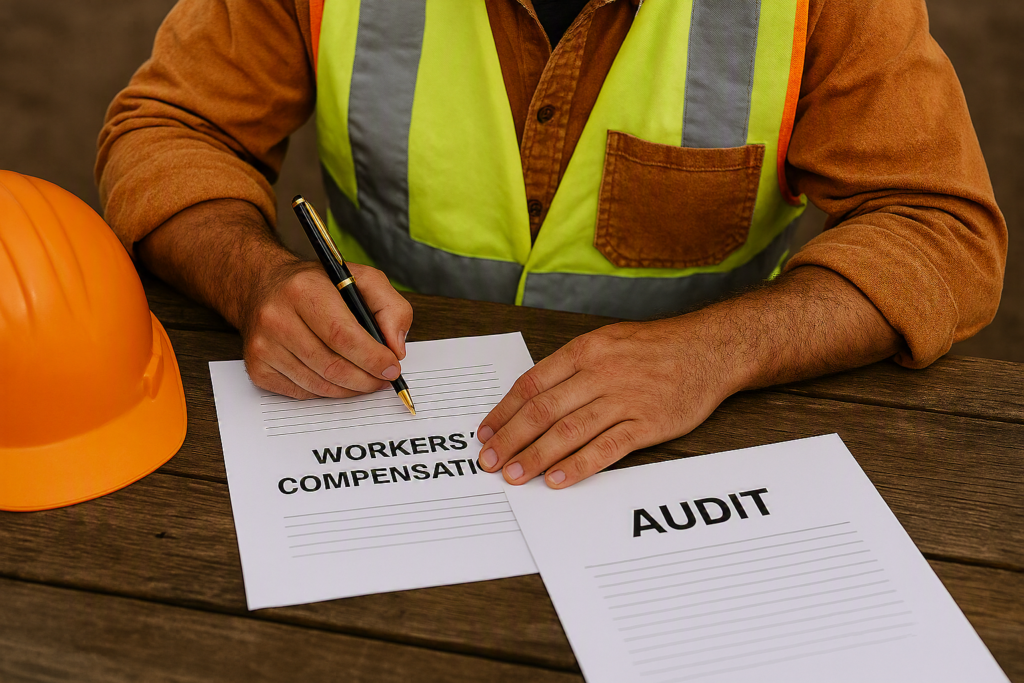
For business owners in North Carolina, workers’ compensation compliance goes far beyond simply purchasing a policy. True compliance means maintaining accurate records, reporting payroll correctly, and completing your annual workers’ comp audit honestly. At its core, compliance is about ensuring your coverage properly reflects your business operations—protecting both your employees and your company from costly penalties.
If you’re a business owner in Charlotte or anywhere across North Carolina, understanding how workers’ comp audits and policy accuracy work can help you avoid unexpected bills, fines, and coverage issues.
Why Workers’ Comp Compliance Starts at Policy Setup
One of the most important—and often overlooked—steps in workers’ comp compliance is accurately setting up your policy from the beginning. When you first purchase workers’ compensation insurance, your premium is based on estimated payroll, job classifications, and risk levels.
If this information is incorrect, it can lead to significant issues down the road, including:
– Underpaying your premium initially and facing a large audit bill later
– Overpaying due to incorrect classifications
– Increased scrutiny during audits
– Potential penalties for misrepresentation
Being transparent and thorough during the quoting process ensures your policy reflects your true operations. This is especially important for industries in North Carolina like construction, landscaping, and contracting, where job classifications greatly impact your premium.
Understanding Workers’ Comp Audits in North Carolina
A workers’ compensation insurance audit is a routine process conducted by your insurance carrier at the end of your policy period. The purpose is to verify that your actual payroll and operations match what was reported when the policy was issued.
During a workers’ comp audit, insurers typically review:
– Total payroll records
– Employee classifications and job duties
– Payments to subcontractors
– Certificates of insurance for subcontractors
– Tax documents and financial records
For North Carolina businesses, completing your audit is not optional. Failing to comply with an audit request can result in policy cancellation, estimated audit bills, or classification penalties.
The Risks of Inaccurate Payroll and Misclassification
One of the most common compliance issues businesses face is misreporting payroll or misclassifying employees. While it may seem harmless, even small discrepancies can raise red flags during an audit.
For example:
– Classifying a high-risk worker (like a roofer) as a lower-risk employee (like clerical staff)
– Excluding certain employees from payroll reports
– Failing to properly account for subcontractors without valid insurance
These mistakes can result in:
– Increased audit premiums
– Back charges for unpaid insurance exposure
– Policy adjustments or cancellations
– Potential fines for non-compliance
Accuracy is key. The more transparent your reporting, the smoother your audit process will be.
How to Prepare for a Smooth Workers’ Comp Audit
Staying compliant with workers’ compensation insurance audits in North Carolina requires preparation throughout the year—not just when the auditor calls. Here are proven steps to stay on track:
1. Keep Detailed Payroll Records
Maintain organized records of all employee wages, bonuses, and overtime.
2. Track Employee Job Duties Accurately
Ensure each worker is assigned the correct classification code based on their actual work.
3. Verify Subcontractor Coverage
Always collect updated certificates of insurance from subcontractors to avoid being charged for their payroll.
4. Respond Promptly to Audit Requests
Ignoring audit communications can result in estimated audits, which are often much higher than necessary.
5. Work with an Experienced Insurance Agency
A local North Carolina insurance professional can help you prepare, review your records, and avoid costly mistakes.
How Compliance Helps You Avoid Workers’ Comp Penalties
When your workers’ comp policy is accurate and your audits are completed properly, you significantly reduce your risk of penalties. Compliance helps your business:
– Avoid unexpected audit bills
– Prevent policy cancellations
– Reduce the risk of fines or regulatory action
– Maintain proper protection for workplace injuries
More importantly, it ensures that if an employee is injured, your policy responds correctly—without gaps or disputes.
Partner with a Local Agency for Workers’ Comp Compliance in NC
Managing workers’ compensation compliance, audits, and reporting can be complex, especially as your business grows. That’s why working with a knowledgeable local agency makes a difference.
An experienced North Carolina insurance agency can help you:
– Set up your policy correctly from day one
– Ensure accurate payroll and classification reporting
– Prepare for and complete audits efficiently
– Identify potential compliance risks before they become costly problems
If you want to avoid penalties, reduce audit surprises, and make sure your business is fully protected, now is the time to review your workers’ comp policy. Reach out today to speak with a local expert and ensure your coverage is accurate, compliant, and working for you.